
GETA advocacy
Bringing DEE voices to Parliament
GETA’s contribution to the Senate Inquiry into Epilepsy in Australia
People living with developmental and epileptic encephalopathies (DEEs), and their families, need care and support that recognise the full impact of their conditions.
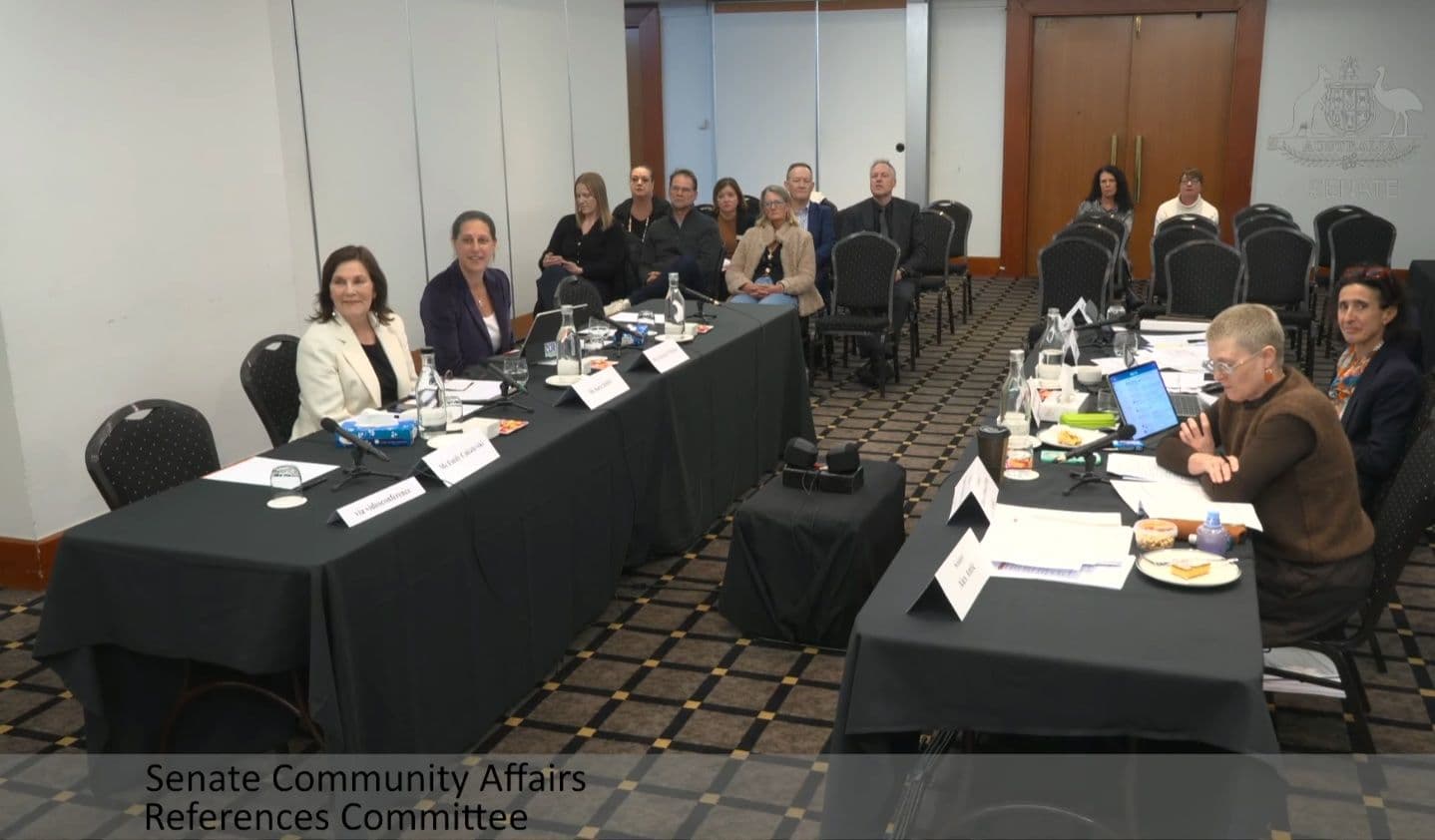
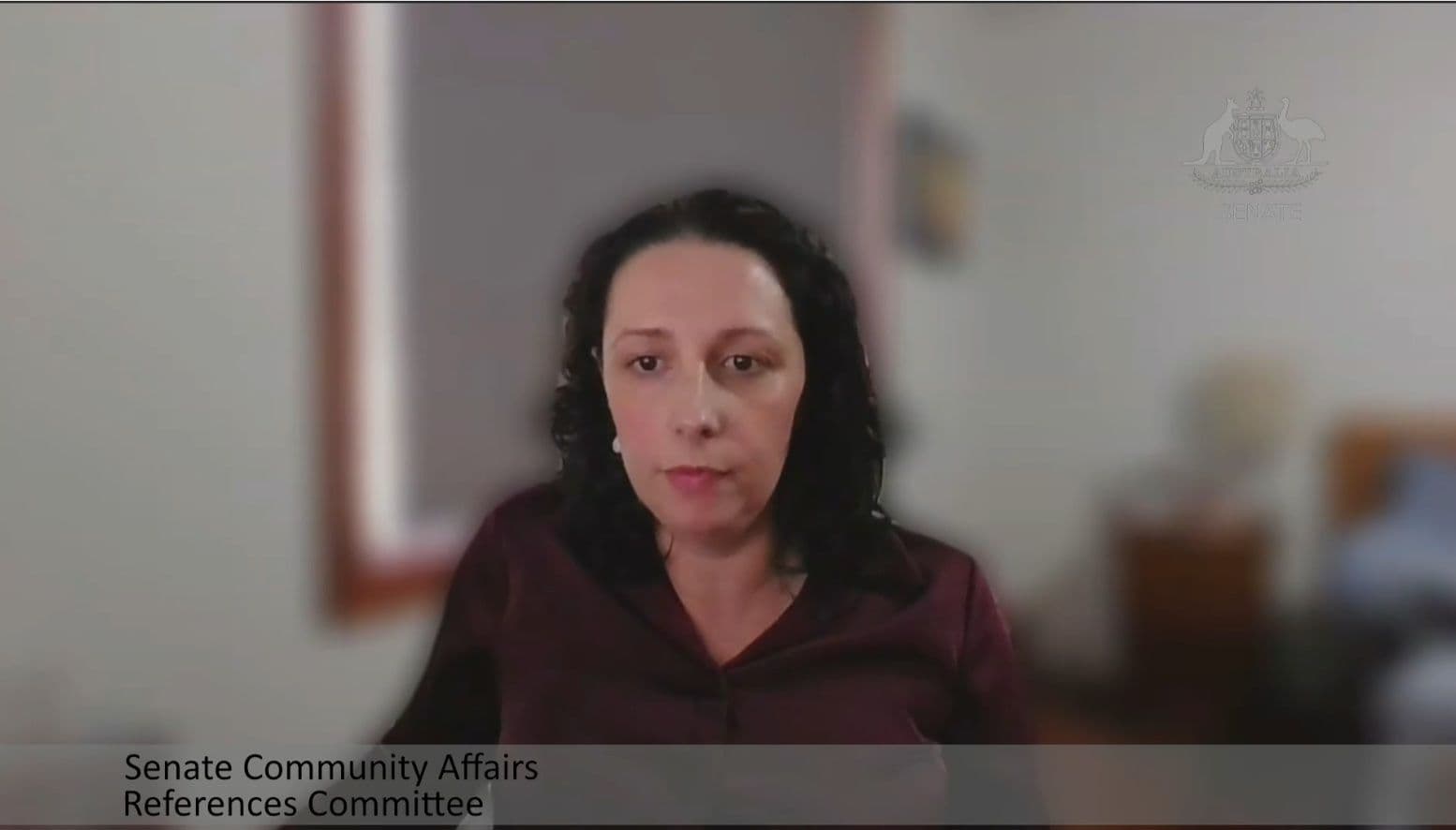
The 2026 Senate Inquiry into Epilepsy in Australia provided an important opportunity to bring those needs before Parliament. GETA contributed a written submission and appeared at the Adelaide public hearing on 24 August 2026, represented by Danielle Williams, Sara James and Emily Cukalevski.
What we brought to the inquiry
Our message was clear: DEEs affect far more than seizures. Their impact can extend across development, communication, movement, behaviour and everyday life, with lifelong care needs and profound effects on families.
Drawing on lived experience and connections across genetic epilepsy communities, GETA called for a clearer pathway from diagnosis to coordinated care, disability support and research opportunities—for children and adults.
Our priorities included:
- A dedicated DEE stream within a National Epilepsy Action Plan, shaped with families and gene-specific communities.
- Equitable access to clinically indicated genetic testing for children and adults.
- A DEE Centre of Excellence pilot connecting specialist care, navigation and research.
- Targeted investment in DEE research and access to clinical trials.
- A dedicated NDIS pathway recognising the complex and lifelong support needs of people with DEEs.
Following up: questions on notice
Following the hearing, GETA provided additional evidence about Australian families travelling overseas to access innovative treatments, and the substantial fundraising undertaken by families and patient organisations to support research and therapeutic development.
Our response highlighted the need for coordinated Australian pathways so that access to emerging therapies is less dependent on where a family lives or how much it can raise.
From evidence to action
The committee tabled its report on 17 September 2026. For GETA, the next step is to help turn the inquiry’s recommendations into practical improvements in diagnosis, lifelong care, disability support and research access.
Our priorities remain a clear DEE pathway and meaningful involvement of people with DEEs, families and gene-specific communities in shaping what comes next. Parliamentary recommendations are an important step; implementation and funding will determine their impact.
Explore the parliamentary record
- Read the inquiry report.
- Browse all submissions, including evidence from DEE researchers, clinicians and community organisations.
- Read published answers to questions on notice.
- Find hearing transcripts and programs.
- Read the DEE Roundtable report (PDF).
- Stay up to date on GETA’s response on social media LinkedIn or Facebook.